
A Traveler’s Guide to Unique Accommodations

Traveling is not just about the destination; it’s also about the journey and the experiences we collect along the way. One of the most significant aspects of any trip is where we choose to stay. While traditional hotels offer comfort and familiarity, unique accommodations provide an opportunity for adventure, exploration, and unforgettable memories. This guide will delve into various types of unique lodging options, from treehouses to houseboats, ensuring your next trip is anything but ordinary.

Treehouses are an enchanting choice for travelers looking to reconnect with nature. Nestled high among the branches, these elevated retreats offer a sense of whimsy and tranquility. Treehouse accommodations vary in style and luxury, from basic wooden structures to lavishly designed spaces complete with modern amenities. For example, Treehotel in Sweden features a series of architecturally stunning treehouses that blend seamlessly with the forest environment. Each treehouse is uniquely designed, offering breathtaking views and a chance to experience the serenity of nature. Staying in a treehouse can evoke childhood memories of play and adventure, making it an ideal choice for families or couples seeking a romantic getaway.

Another intriguing option is houseboats, which offer a floating experience that can be both relaxing and adventurous. Popular in destinations like Amsterdam and Kerala, houseboats allow travelers to enjoy life on the water while exploring picturesque surroundings. In Amsterdam, visitors can stay on beautifully restored canal boats, waking up to the gentle sound of water lapping against the hull. In Kerala, travelers can experience traditional houseboats known as kettuvallams, which navigate the serene backwaters and provide an authentic glimpse into local culture. The experience of drifting along waterways while enjoying the unique scenery creates a memorable and immersive vacation.

For those who enjoy the outdoors, glamping combines the thrill of camping with the comforts of a hotel. Glamping sites can be found in breathtaking locations, offering everything from luxurious tents to yurts equipped with full amenities. The appeal of glamping lies in its ability to provide an authentic outdoor experience without sacrificing comfort. Resorts like Under Canvas provide luxurious tents near national parks, allowing guests to immerse themselves in nature while enjoying plush bedding and gourmet meals. This blend of adventure and comfort makes glamping a popular choice for families, couples, and solo travelers alike.

Converted churches and other historic buildings are also gaining popularity as unique accommodations. Many travelers are drawn to the charm of staying in a property with a rich history and distinctive architecture. In cities like New Orleans or Rome, travelers can find beautifully restored churches transformed into boutique hotels or charming B&Bs. These accommodations often retain original features, such as stained glass windows or wooden beams, creating a unique atmosphere that tells a story. Staying in a converted church or historic building not only offers a unique experience but also a chance to appreciate the local culture and history in a way that traditional hotels may not provide.

Caves are another fascinating lodging option that allows travelers to experience a truly unique environment. In places like Cappadocia, Turkey, travelers can stay in cave hotels that have been carved into the soft volcanic rock. These accommodations provide an otherworldly experience, combining comfort with ancient architecture. Guests can enjoy modern amenities while being surrounded by the natural beauty of the region. Cave hotels often offer stunning views of the surrounding landscapes and provide a unique opportunity to explore the area’s history and culture.

For those seeking a more urban experience, loft apartments in bustling cities can offer a unique and stylish stay. Many cities have embraced the trend of converting old warehouses or factories into chic loft accommodations. These spaces often feature high ceilings, large windows, and an industrial aesthetic, providing a trendy backdrop for urban exploration. Staying in a loft allows travelers to immerse themselves in the local culture, often situated in vibrant neighborhoods filled with art, dining, and entertainment.

Farm stays offer a chance to connect with nature and experience rural life firsthand. Many working farms welcome guests to stay and participate in daily activities, such as feeding animals or harvesting crops. This type of accommodation is particularly appealing to families, providing children with an opportunity to learn about agriculture and where their food comes from. Farms in regions like Tuscany or Sonoma Valley often feature charming guesthouses or converted barns, allowing travelers to enjoy the beauty of the countryside while enjoying fresh, locally sourced meals.

Ice hotels present a unique experience for those willing to brave the cold. Constructed entirely from ice and snow, these hotels offer an extraordinary stay that includes beautifully crafted ice sculptures and stunning designs. ICEHOTEL in Sweden is one of the most famous ice hotels, where guests can spend the night in a room made of ice and sleep on reindeer skins. Although temperatures can be frigid, the experience of staying in an ice hotel is one that few travelers will forget, making it a perfect adventure for those seeking something truly unique.

When planning your stay in unique accommodations, it’s essential to consider the location and activities available in the surrounding area. Many of these options are located in picturesque settings, providing opportunities for hiking, kayaking, or cultural exploration. For instance, treehouses in the Amazon rainforest allow guests to experience the rich biodiversity of the region, while glamping sites near national parks offer outdoor adventures and breathtaking landscapes. Researching the area ahead of time can help you make the most of your unique lodging experience.

Safety and comfort should always be a priority when choosing unique accommodations. While many of these options offer charm and character, ensure that they also meet your standards for safety and comfort. Look for accommodations that provide necessary amenities, such as heating or air conditioning, depending on the climate, and read reviews from previous guests to gauge their experiences. Unique doesn’t have to mean uncomfortable; many options offer luxurious touches while still providing a distinctive experience.

In conclusion, choosing unique accommodations can transform your travel experience, offering memorable moments and opportunities to immerse yourself in local culture. Whether you opt for a treehouse, houseboat, or converted church, these distinctive lodging options allow you to connect with your surroundings in a way that traditional hotels may not. Embrace the adventure of staying in unique accommodations and create lasting memories that go beyond the ordinary on your next journey. With so many extraordinary options available, the only limit is your imagination.
Exploring the Wonders of Thru-Hiking: A Journey Through Nature

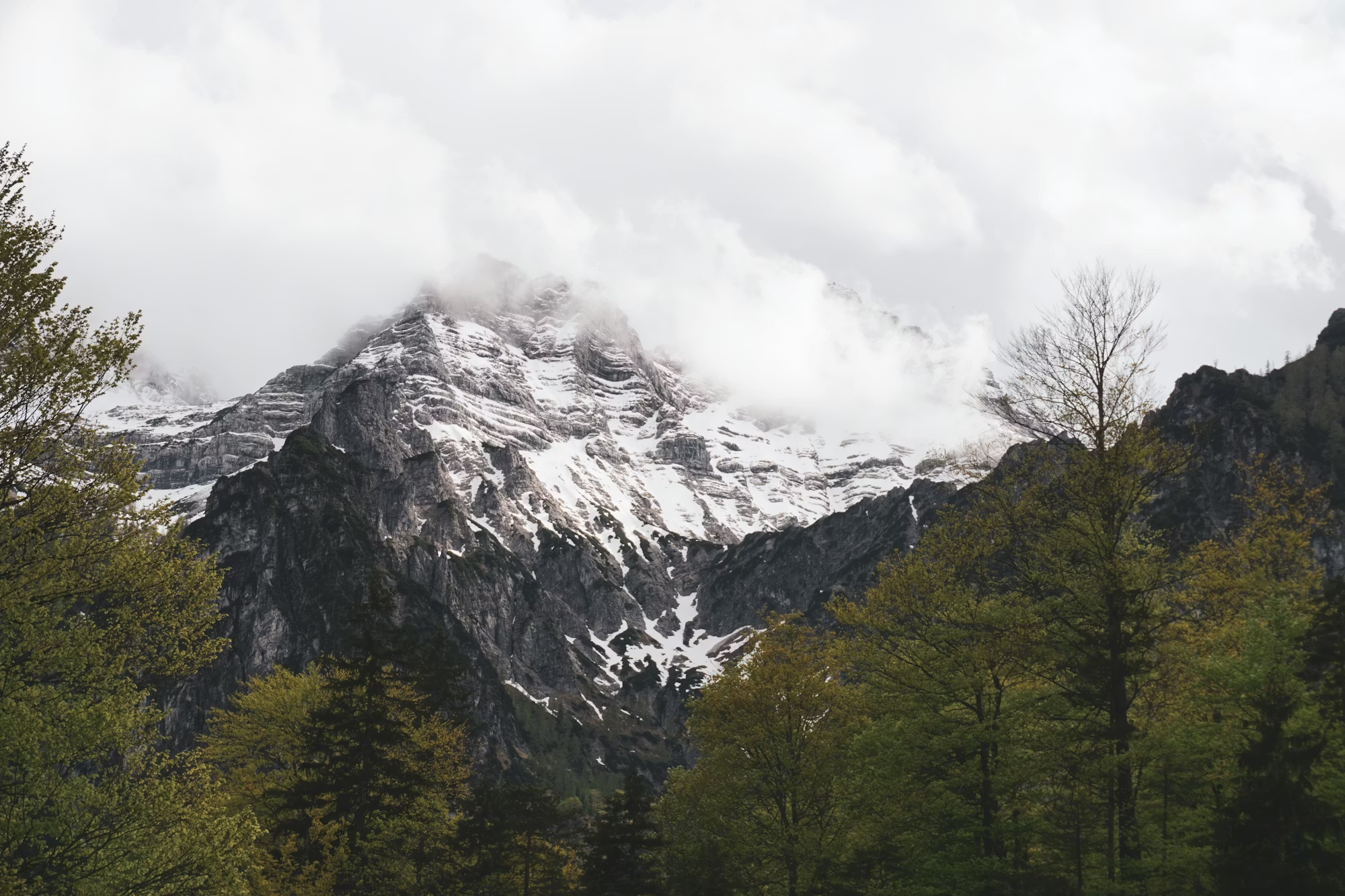
Thru-hiking is an adventurous and rewarding way to experience nature, allowing hikers to immerse themselves in stunning landscapes while challenging their physical and mental limits. This article explores the essence of thru-hiking, highlighting its benefits, popular trails, and valuable tips for those looking to embark on their own long-distance hiking journey.

What is Thru-Hiking?

Thru-hiking involves hiking an entire long-distance trail from start to finish in one continuous journey. This unique form of hiking differs from traditional hiking, where individuals may tackle sections of a trail over multiple trips. Thru-hikers typically complete these trails within a set timeframe, often spanning several weeks to months, depending on the trail length and terrain.

The Benefits of Thru-Hiking

1. Connection with Nature

Thru-hiking offers a profound connection to nature. Spending extended periods outdoors allows hikers to experience the beauty of diverse ecosystems, from lush forests to arid deserts. This immersion fosters a deep appreciation for the natural world and can have a transformative effect on one’s perspective.

2. Physical Fitness

Completing a long-distance trail requires physical stamina and endurance. Thru-hikers engage in daily physical activity that strengthens muscles, improves cardiovascular health, and enhances overall fitness levels. The challenge of carrying a backpack with essential gear adds to the physical demands, promoting strength and resilience.

3. Mental Resilience

Thru-hiking is as much a mental challenge as it is a physical one. Hikers face obstacles such as difficult weather, navigation issues, and physical fatigue. Overcoming these challenges builds mental resilience, boosting confidence and problem-solving skills. The sense of accomplishment from completing a long trail can be immensely rewarding.

4. Community and Camaraderie

Thru-hiking often fosters a sense of community among hikers. Many trails see a steady flow of individuals embarking on the same journey, leading to friendships and shared experiences. This camaraderie enhances the overall experience, as hikers support and motivate each other along the way.

5. Digital Detox

In a world increasingly dominated by technology, thru-hiking provides a chance to unplug and reconnect with oneself. Away from screens and distractions, hikers can reflect, meditate, and enjoy the simplicity of life on the trail. This digital detox can lead to improved mental clarity and emotional well-being.

Popular Thru-Hiking Trails

Several iconic trails have gained popularity among thru-hikers for their stunning scenery and diverse challenges. Here are a few notable options:

1. Appalachian Trail (AT)

The Appalachian Trail stretches over 2,190 miles, winding through 14 states from Georgia to Maine. It is one of the most famous long-distance hiking trails in the world, known for its diverse landscapes, including mountains, forests, and rivers. The AT offers both challenging sections and rewarding vistas, making it a favorite among seasoned and novice hikers alike.

2. Pacific Crest Trail (PCT)

The Pacific Crest Trail spans approximately 2,650 miles, running from the Mexican border in California to the Canadian border in Washington. The trail passes through stunning national parks, including Yosemite and Mount Rainier, showcasing breathtaking scenery. Thru-hikers often experience a wide range of climates and terrains, from desert landscapes to snow-covered mountains.

3. Continental Divide Trail (CDT)

The Continental Divide Trail stretches about 3,100 miles along the Rocky Mountains, traversing Montana, Wyoming, Colorado, and New Mexico. This challenging trail offers rugged terrain and spectacular views of the mountain range. The CDT is less traveled than the AT and PCT, making it ideal for those seeking solitude and adventure.

4. Oregon Coast Trail

The Oregon Coast Trail is a 429-mile route that hugs the stunning coastline of Oregon. Hikers can enjoy breathtaking ocean views, sandy beaches, and lush forests. The trail offers a unique combination of coastal and inland hiking, making it a fantastic choice for those who love the ocean and want to experience diverse ecosystems.

5. John Muir Trail (JMT)

The John Muir Trail is a 211-mile trail that runs through the Sierra Nevada mountains in California, connecting Yosemite National Park, Sequoia National Park, and Kings Canyon National Park. Known for its stunning alpine scenery and majestic granite peaks, the JMT is a favorite among hikers seeking an unforgettable wilderness experience.

Essential Tips for Aspiring Thru-Hikers

Embarking on a thru-hike requires careful planning and preparation. Here are some essential tips to help you succeed on your journey:

1. Research and Choose Your Trail

Before setting out, thoroughly research potential trails to find one that matches your experience level, interests, and physical abilities. Consider factors such as trail conditions, weather patterns, and water sources. Each trail offers unique challenges, so choose one that excites and motivates you.

2. Gear Up Wisely

Invest in high-quality gear that suits your needs. A well-fitted backpack, durable hiking boots, and appropriate clothing are essential for comfort and safety on the trail. Don’t forget to pack essential items such as a tent, sleeping bag, cooking equipment, and a first-aid kit. Lightweight gear is crucial to minimize fatigue during long hikes.

3. Train Your Body

Physical preparation is key to a successful thru-hike. Start training several months in advance by gradually increasing your hiking distances and incorporating strength training. Consider doing test hikes with a loaded backpack to acclimate your body to the demands of carrying weight over long distances.

4. Practice Navigation Skills

Familiarize yourself with navigation techniques, including reading maps and using a compass or GPS device. Understanding how to navigate is crucial, especially in remote areas. Practice these skills before heading out to ensure confidence on the trail.

5. Stay Hydrated and Nourished

Proper nutrition and hydration are vital for maintaining energy levels during a thru-hike. Plan your meals in advance and carry lightweight, high-calorie food options. Make sure to drink plenty of water, especially in hotter climates. Many trails have water sources, but it’s essential to know where they are located.

6. Pace Yourself

Thru-hiking is not a race. Listen to your body and pace yourself to avoid injury and exhaustion. Take breaks when needed and don’t hesitate to adjust your daily mileage based on your energy levels. Enjoy the journey and allow yourself to savor the beauty of your surroundings.

7. Leave No Trace

As a responsible hiker, practice Leave No Trace principles to minimize your impact on the environment. Pack out all trash, stay on designated trails, and respect wildlife and plant life. Preserving the natural beauty of the trails ensures future generations can enjoy them.

Conclusion

Thru-hiking is a remarkable way to connect with nature, challenge oneself, and experience the beauty of the great outdoors. With proper planning, dedication, and a spirit of adventure, anyone can embark on a long-distance hiking journey. Whether you’re drawn to the iconic Appalachian Trail or the scenic John Muir Trail, each thru-hike offers its unique set of experiences and rewards. So lace up your hiking boots, prepare your gear, and set out on an unforgettable adventure through nature.

A Journey Through the World’s Coastal Wonders: Discovering Unique Marine Landscapes

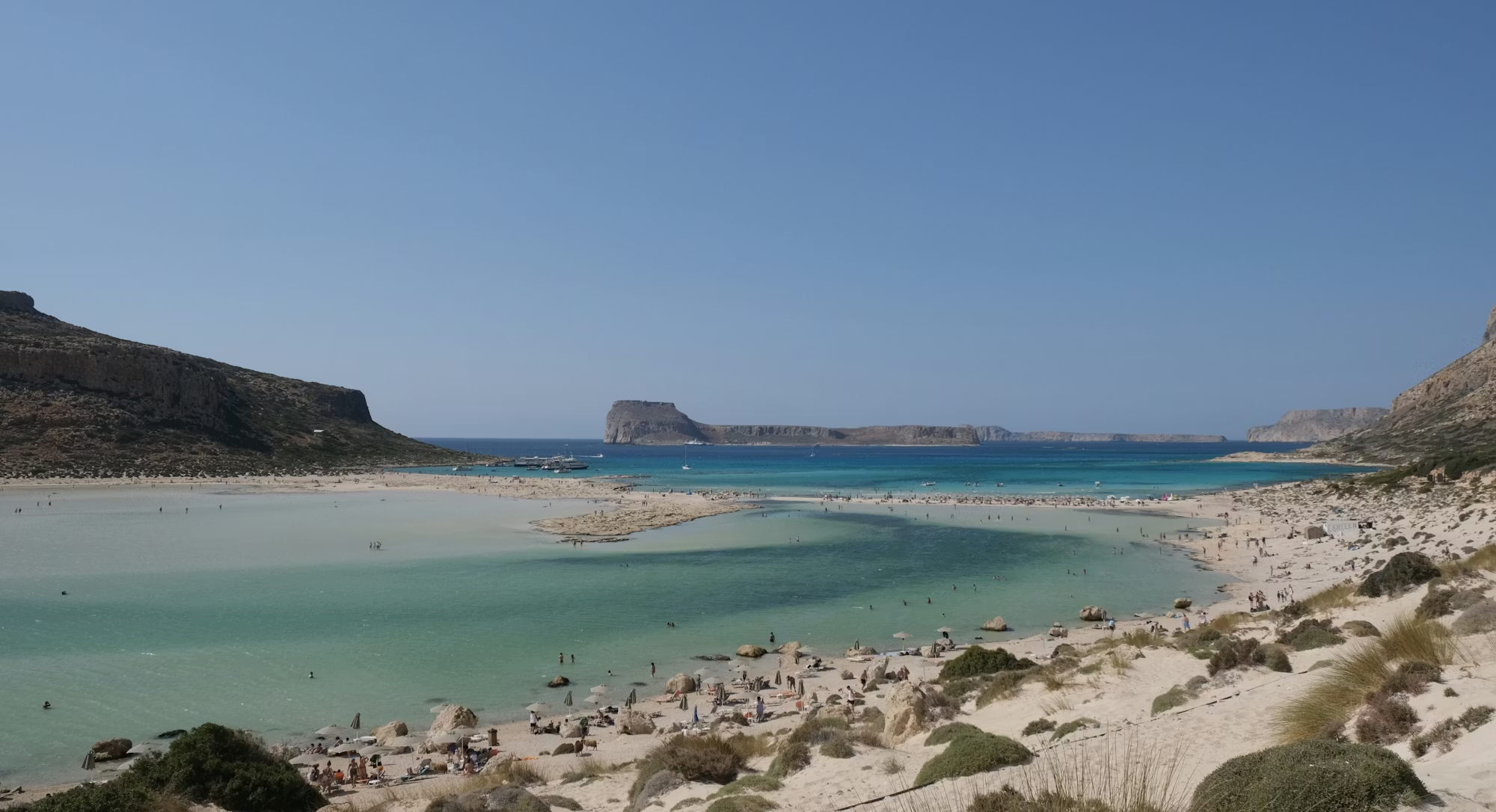
The coastlines of our planet offer some of the most breathtaking and diverse landscapes that invite travelers to explore their unique beauty. From rugged cliffs to serene beaches, coastal areas are rich in biodiversity and cultural heritage. This article takes you on a journey through various coastal wonders, highlighting their ecological importance and the remarkable travel experiences they provide.

The Majesty of Rugged Cliffs

Rugged coastal cliffs, such as those found in the Cliffs of Moher in Ireland and the Amalfi Coast in Italy, are truly majestic. These dramatic formations rise steeply from the ocean, creating stunning vistas that capture the hearts of visitors. The Cliffs of Moher, standing over 700 feet high, offer breathtaking views of the Atlantic Ocean and are a haven for seabirds. Travelers can hike along well-maintained paths, taking in the fresh sea air while enjoying the sight of waves crashing against the rocks below.

Similarly, the Amalfi Coast, with its colorful villages clinging to steep cliffs, is a UNESCO World Heritage site that attracts millions each year. The picturesque towns of Positano and Ravello are perfect for exploring local cuisine, art, and culture while soaking in the breathtaking scenery. The combination of lush landscapes and azure waters makes this coastal region a true paradise for photographers and nature lovers alike.

Pristine Beaches: Serenity and Adventure

The world’s beaches are diverse, ranging from secluded shores to bustling resort destinations. For example, the white sands of Grace Bay in the Turks and Caicos Islands are famous for their soft, powdery texture and crystal-clear waters. This beach offers a tranquil atmosphere for sunbathers and water sports enthusiasts alike, making it a perfect destination for relaxation and adventure.

On the other hand, the vibrant beaches of Rio de Janeiro, such as Copacabana and Ipanema, are known for their lively atmosphere and cultural significance. Travelers can experience local traditions, enjoy beach volleyball, and indulge in delicious street food while soaking up the sun. These beaches are not just places for relaxation but also venues for socializing and experiencing the local culture.

Coral Reefs: Underwater Treasures

Coral reefs are among the most diverse ecosystems on the planet and provide some of the most spectacular snorkeling and diving experiences. The Great Barrier Reef in Australia is the largest coral reef system in the world, stretching over 1,400 miles. This UNESCO World Heritage site is a treasure trove of marine biodiversity, home to thousands of species of fish, corals, and other marine life. Diving or snorkeling here is a must for any traveler, offering a chance to explore vibrant coral gardens and encounter sea turtles, dolphins, and colorful fish.

In the Caribbean, the Belize Barrier Reef is another incredible destination for underwater exploration. Known for its unique marine life and stunning underwater formations, Belize offers excellent diving spots like the Blue Hole, where divers can discover ancient stalactites and diverse marine species. Both destinations provide an opportunity to appreciate the beauty of these delicate ecosystems while promoting awareness of marine conservation efforts.

Coastal Forests: Nature’s Retreats

Coastal forests, such as the Redwood National and State Parks in California and the coastal rainforests of British Columbia, offer a different kind of beauty. The towering redwoods, some over 2,000 years old, create a serene environment for hiking, birdwatching, and reconnecting with nature. Visitors can explore winding trails through these ancient trees, learning about the unique ecosystems that thrive in these environments.

In British Columbia, the coastal rainforests are home to diverse flora and fauna, making it an ideal destination for eco-tourism. The Great Bear Rainforest, one of the largest temperate rainforests in the world, offers opportunities for kayaking, wildlife watching, and exploring the rich indigenous culture of the area. Travelers can witness the beauty of this untouched landscape while supporting sustainable tourism practices.

Islands of Enchantment

Island destinations, such as Santorini in Greece and Bali in Indonesia, are famous for their stunning landscapes and unique cultures. Santorini, with its iconic white-washed buildings and breathtaking sunsets, is a dream destination for many travelers. The island’s volcanic history has created dramatic cliffs and beautiful beaches, while its rich cultural heritage offers opportunities for wine tasting and exploring ancient ruins.

Bali, known as the Island of the Gods, is renowned for its vibrant culture, lush rice terraces, and pristine beaches. Visitors can experience traditional Balinese dance performances, enjoy yoga retreats, and explore stunning temples. The island’s diverse landscapes provide a perfect setting for outdoor adventures, from surfing to hiking in the lush interior.

Coastal Cities: Urban Experiences by the Sea

Coastal cities such as Sydney, Barcelona, and Cape Town offer a blend of urban experiences and breathtaking ocean views. Sydney’s iconic Opera House and Harbour Bridge are must-see landmarks, and the city’s beaches, like Bondi and Manly, provide a perfect escape from the urban hustle. Visitors can enjoy a variety of outdoor activities, from surfing to coastal walks, while immersing themselves in the vibrant arts and culinary scene.

In Barcelona, the Mediterranean coastline complements the city’s rich history and architectural wonders. The vibrant atmosphere of La Barceloneta beach attracts locals and tourists alike, offering beach bars and a lively social scene. Exploring the city’s Gothic Quarter and indulging in tapas while overlooking the sea makes for an unforgettable experience.

Cape Town, with its stunning Table Mountain backdrop and beautiful beaches, is another coastal gem. The city is known for its diverse culture and history, with opportunities to explore the Cape Winelands and visit the Cape of Good Hope. Adventure seekers can hike up Table Mountain or enjoy water sports at nearby beaches.

Conclusion: Embrace the Coastal Wonders

The coastal wonders of our planet are not just beautiful landscapes; they are ecosystems that support diverse life and cultures. Whether you’re seeking adventure, relaxation, or cultural enrichment, the world’s coastlines offer countless opportunities to explore. From the rugged cliffs of Ireland to the pristine beaches of the Caribbean, each destination invites you to embrace its beauty and uniqueness. As you plan your next travel adventure, consider the enchanting coastal landscapes that await your discovery, and experience the rich tapestry of life that thrives by the sea.